
Space Escape: Puzzle Systems
Space Escape is a sci-fi escape room featuring two original interactive puzzles built in Unity and C#. I created it to practice designing readable puzzle logic, connecting player feedback to progression, and building a complete experience within a short development cycle.
Frequency Puzzle
Power Grid Puzzle
Power Grid Puzzle
Story
You wake up to find your crewmate missing. The ship’s corridors carry strange, alien sounds that seem to echo from the vents and bulkheads. With systems failing and something unknown aboard, you must solve the room’s puzzles to break the lockdown and escape before it’s too late.
Level Design
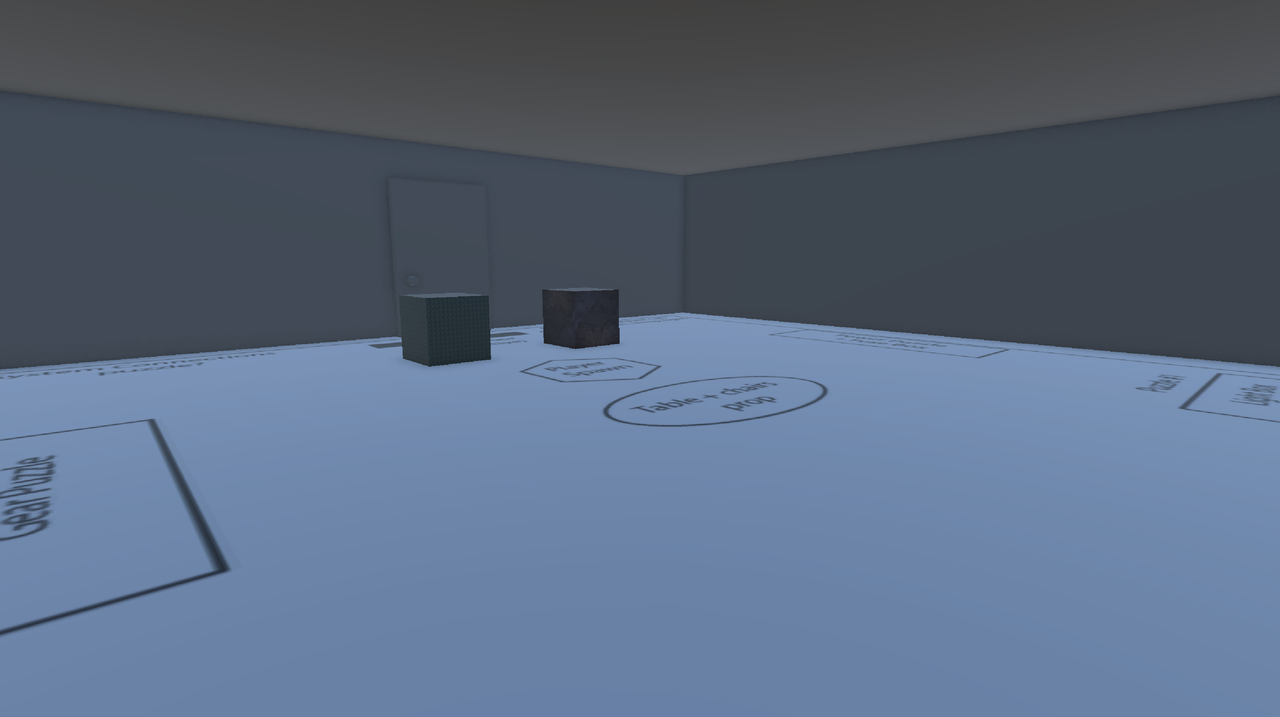
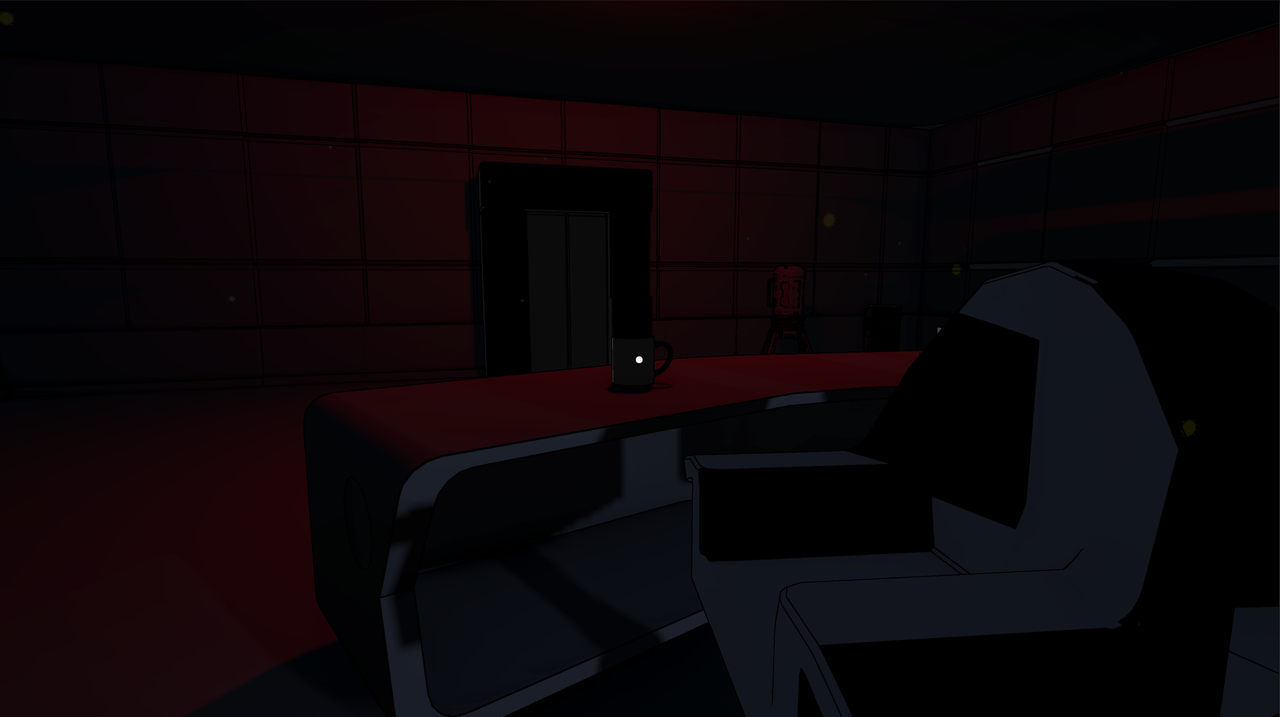
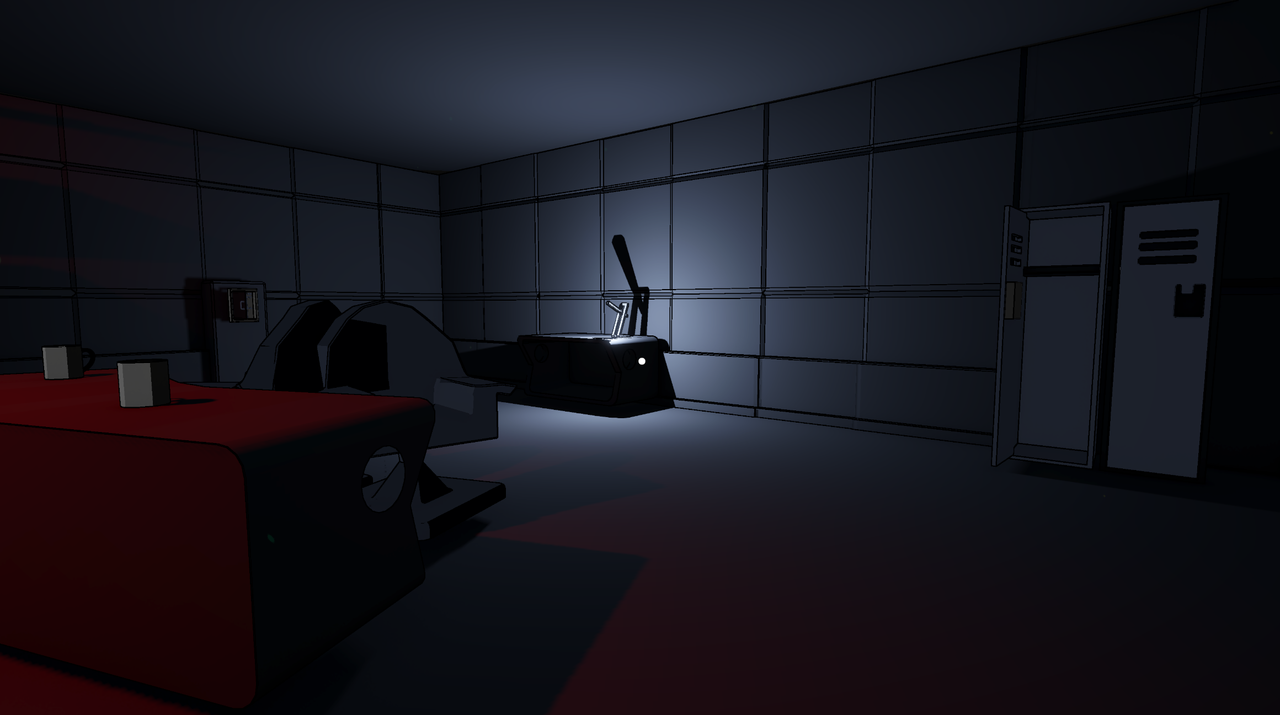
I designed and dressed the room so players naturally move from one puzzle to the next. The entrance frames the first interactable in a way that draws the eye, and each solved puzzle reveals or hints at the next, keeping momentum consistent. To reinforce this flow, I leaned on strong sightline anchors like terminal lights, cable runs, and bold silhouettes that catch attention from across the space and point toward the next step. These cues make goals easy to spot without the need for heavy-handed markers. Secondary dressing plays a different role. While the anchors pull you forward, smaller environmental details set the tone of the space. I was careful to place them where they support immersion but don’t compete with the interactables.
Puzzle Design & Implementation
I coded the entire Power Puzzle and Frequency Puzzle. The Power Puzzle handled tile rotation logic, path validation, state persistence, and feedback. The Frequency Puzzle exposes real-time parameter tuning (amplitude, frequency, phase) with responsive visual/audio feedback — both designed and implemented end-to-end.
Development
Everything in the prototype — from puzzle hooks to the room’s dressing — was built specifically for this experience, tuned to keep interaction points clear and the route forward obvious at a glance.
Reflection
In an escape-room, the hardest fail isn’t a tough puzzle — it’s a lost player. The room needs to point as much as it decorates. What worked here was maintaining a single, legible critical path with consistent breadcrumbs: next-step anchors in view, soft gates that open only after clear feedback, and dressing that frames interactables instead of hiding them. When players always know “where to go next,” they can spend their attention on solving instead of searching.